


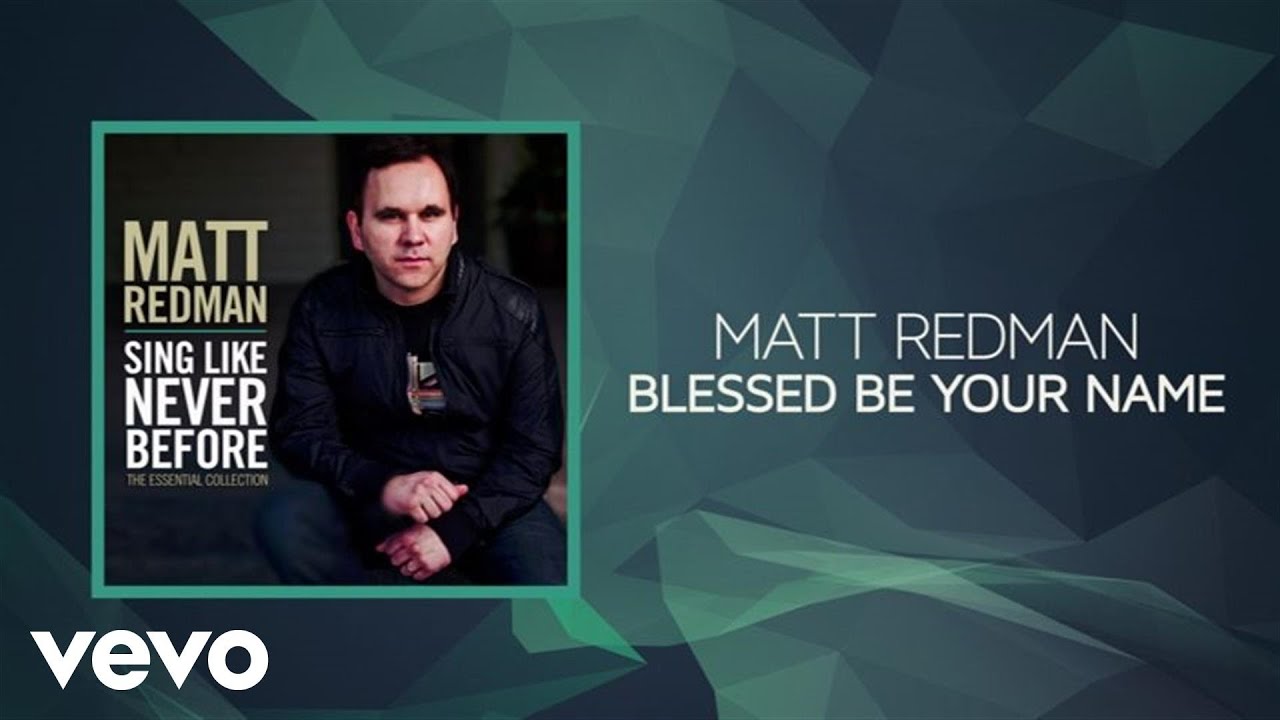
Blessed Be Your Name
▶️ Don't miss this Song of the Day ◀️
Choosing Praise in Every Season of Life
There is something deeply natural about praising God when life is full of blessings. Gratitude comes easily when prayers are answered, doors open, and joy overflows. But what happens when the opposite is true? When loss replaces abundance, dreams fall apart, or the future becomes uncertain? It is in those moments that worship becomes more than a song—it becomes an act of faith.
Few modern worship songs capture this truth as powerfully as Blessed Be Your Name, written by Matt Redman and his wife Beth Redman in 2002. Rather than celebrating God only in seasons of prosperity, the song declares that He is worthy of praise in every circumstance. Its message has resonated with millions of Christians because it reflects one of the most challenging yet beautiful truths of the Christian life: God remains worthy of worship whether we are standing in the sunlight or walking through the valley.
A Song Inspired by the Story of Job
The heart of Blessed Be Your Name is deeply rooted in Scripture, particularly in the life of Job. After losing his possessions, his children, and his health, Job uttered words that have echoed through history:
“The Lord gave and the Lord has taken away; blessed be the name of the Lord.” (Job 1:21)
Rather than questioning God’s worthiness because of suffering, Job chose to trust God’s sovereignty even when he could not understand His purposes. Matt Redman drew inspiration from this extraordinary example of faith, transforming an ancient biblical truth into a song that speaks directly to the struggles of modern believers.
The lyrics acknowledge both “the land that is plentiful” and “the road marked with suffering.” This balance is one of the song’s greatest strengths. It neither ignores life’s hardships nor allows them to define God’s character. Instead, it reminds worshipers that God’s goodness is constant, even when circumstances are not.
Lyrics:
Worship That Doesn’t Depend on Circumstances
One reason Blessed Be Your Name has remained a cornerstone of contemporary worship is its honest portrayal of faith. The song recognizes that every believer experiences seasons of abundance and seasons of loss. Yet it continually points beyond changing emotions to the unchanging nature of God.
This perspective stands in sharp contrast to a culture that often measures God’s faithfulness by personal comfort or visible success. The Christian faith teaches something far deeper. God’s love is not proven only by answered prayers or prosperous days but most fully revealed through Jesus Christ, whose death and resurrection secured an eternal hope that cannot be shaken by temporary trials.
Perhaps the song’s most memorable line, “Every blessing You pour out I’ll turn back to praise, and when the darkness closes in, Lord, still I will say…”, captures this truth beautifully. Worship becomes a declaration of trust rather than merely a response to favorable circumstances. It is a choice to honor God because of who He is, not simply because of what He gives.
Why the Song Continues to Speak to Every Generation
More than two decades after its release, Blessed Be Your Name continues to be sung in churches around the world because its message is timeless. Every generation encounters seasons of celebration and seasons of sorrow. Every believer eventually faces questions that have no easy answers. In those moments, the song offers neither empty optimism nor shallow reassurance. Instead, it gently reminds Christians that God’s faithfulness extends beyond what they can presently see.
The song has become especially meaningful during funerals, memorial services, times of personal grief, and moments of national tragedy. Its words give voice to a faith that refuses to surrender hope even when life feels overwhelming. Rather than denying pain, it places suffering within the larger story of God’s redeeming love and His promise to remain with His people through every trial.
Ultimately, the enduring legacy of Blessed Be Your Name is found in its invitation to worship with open hands. It teaches believers to receive God’s blessings with gratitude, to endure hardship with trust, and to confess with confidence that the Lord is worthy of praise in every season. Long after the melodies fade, its message continues to encourage hearts to echo the words of Job: “Blessed be the name of the Lord.”