The Beloved Hymn That Looks Forward to Heaven’s Final Roll Call
For more than a century, When the Roll Is Called Up Yonder has stirred the hearts of believers with its joyful anticipation of Christ’s return. Unlike hymns that focus on life’s present burdens, this classic gospel song points toward a future filled with hope—the day when God’s people will gather in His presence, and every faithful believer will answer the heavenly roll call.
Its triumphant chorus has echoed through churches, revival meetings, funerals, and camp gatherings across generations. While many recognize its uplifting melody, fewer know the remarkable story behind its creation or the profound biblical truths woven into every verse.
The Story Behind the Hymn
When the Roll Is Called Up Yonder was written in 1893 by James Milton Black (1856–1938), an American Methodist Sunday school teacher, composer, evangelist, and music publisher.
The inspiration for the hymn came from an ordinary Sunday school class.
According to Black’s own account, he was calling attendance one morning when he noticed that a young girl who regularly attended was missing. As each student answered “Present,” he suddenly found himself reflecting on a much greater day—the day when God would call the names of His redeemed in heaven.
That simple moment became the foundation for the hymn. Black later wrote that he imagined the final gathering of believers before the throne of God and asked himself one deeply personal question:
“Will I be there?”
The answer became the hymn’s unforgettable refrain:
“When the roll is called up yonder, I’ll be there.”
What began as a quiet moment in a Sunday school classroom soon became one of the most enduring hymns in Christian history.
Lyrics:
1 When the trumpet of the Lord shall sound,
and time shall be no more,
and the morning breaks, eternal, bright and fair;
When the saved of earth shall gather
over on the other shore,
and the roll is called up yonder,
I’ll be there.
Refrain:
When the roll is called up yonder,
When the roll is called up yonder,
When the roll is called up yonder,
When the roll is called up yonder, I’ll be there.
2 On that bright and cloudless morning
when the dead in Christ shall rise,
and the glory of His resurrection share;
When His chosen ones shall gather
to their home beyond the skies,
And the roll is called up yonder,
I’ll be there. [Refrain]
3 Let us labor for the Master
from the dawn till setting sun;
let us talk of all His wondrous love and care.
Then when all of life is over,
and our work on earth is done,
and the roll is called up yonder,
I’ll be there. [Refrain]
A Hymn Rooted in Scripture
Although the hymn never directly quotes a single Bible passage, its message is firmly grounded in Scripture.
Its central theme reflects 1 Thessalonians 4:16–17, where the Apostle Paul describes the return of Christ:
“For the Lord himself shall descend from heaven with a shout… and with the trump of God.”
The hymn also echoes 1 Corinthians 15:52, which speaks of believers being transformed “at the last trumpet.”
Another important biblical connection is found in Revelation 20, where books are opened before God’s throne, reminding believers that God knows His people completely.
Together, these passages inspired James M. Black to picture a heavenly gathering where every follower of Christ is personally known and joyfully welcomed.
The Meaning Behind the Heavenly Roll Call
The image of a “roll call” would have been immediately familiar to people living in the nineteenth century.
Schools, military units, churches, and civic organizations regularly called attendance by name. Answering the roll signified presence, commitment, and belonging.
Black transformed this familiar practice into a powerful spiritual illustration.
The hymn reminds believers that heaven is not an anonymous crowd.
God knows each of His children personally.
The final roll call is not about earning a place in heaven through good works. Instead, it celebrates the assurance that those who belong to Christ will be gathered safely into His eternal kingdom.
This personal dimension is one reason the hymn continues to resonate with Christians today.
More Than a Song About the Future
At first glance, When the Roll Is Called Up Yonder appears to focus entirely on Christ’s second coming.
Yet the hymn also carries a practical challenge for daily Christian living.
One verse encourages believers to labor faithfully “from the dawn till setting sun.”
Rather than waiting passively for Christ’s return, the hymn calls Christians to live lives of service, compassion, and faithful witness while there is still time.
This balance gives the hymn remarkable depth.
It inspires hope for tomorrow while encouraging faithfulness today.
Why the Hymn Became a Revival Favorite
During the late nineteenth and early twentieth centuries, revival meetings played a significant role in American Christianity.
Evangelists often concluded their sermons with invitations for people to place their faith in Christ, and When the Roll Is Called Up Yonder became one of the most frequently sung hymns during these moments.
Its joyful melody made it easy for congregations to sing together, while its message invited listeners to consider their own relationship with God.
Unlike hymns centered on fear, this song presents Christ’s return as a joyful reunion rather than a terrifying event.
That hopeful emphasis helped make it a lasting favorite in churches around the world.
A Lasting Influence on Gospel Music
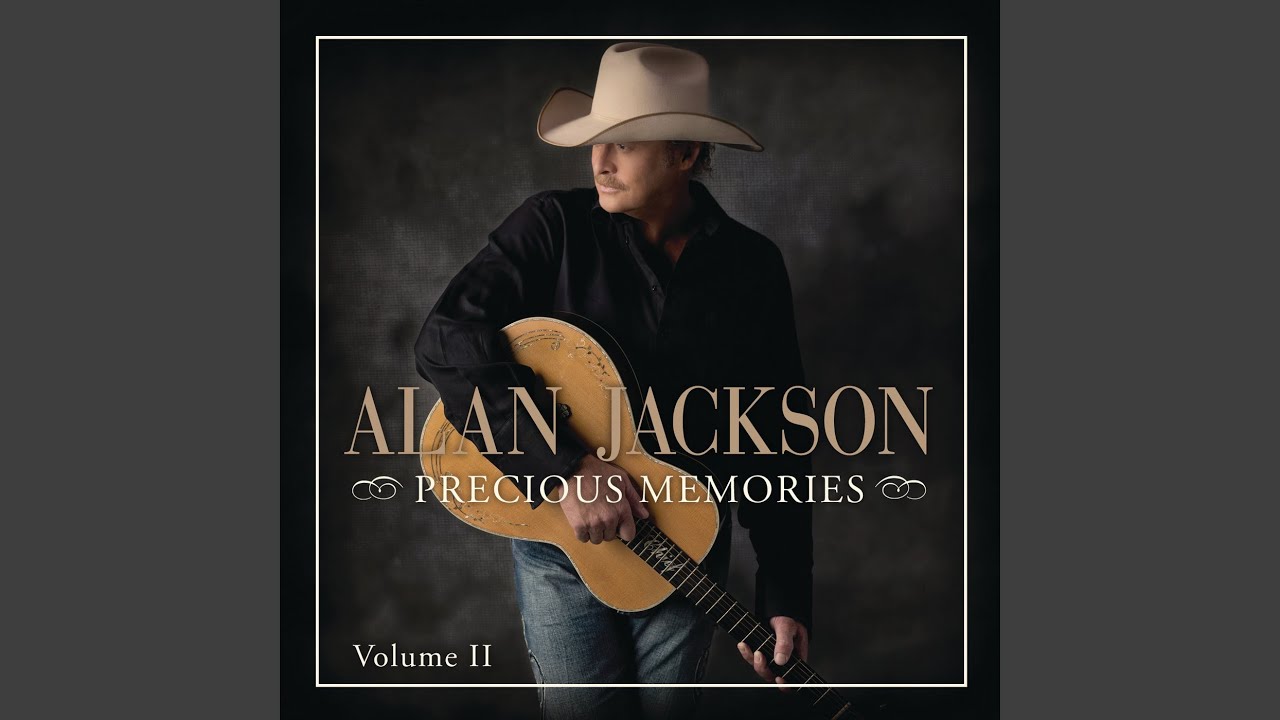
Over the decades, When the Roll Is Called Up Yonder has been recorded by countless gospel quartets, choirs, bluegrass musicians, country artists, and Christian vocal groups.
Its influence extends beyond traditional church services.
The hymn has appeared in hymnals across numerous Protestant denominations and continues to be performed at gospel concerts, hymn sings, Bible conferences, and family gatherings.
Its memorable chorus has introduced generations of believers to the biblical hope of Christ’s return, making it one of the defining hymns of classic gospel music.
What Modern Christians Can Learn from This Hymn
In today’s fast-moving world, people often become consumed by deadlines, achievements, and temporary concerns.
When the Roll Is Called Up Yonder gently redirects attention toward eternity.
It reminds believers that life on earth is temporary, while God’s promises are everlasting.
The hymn also teaches that Christian hope is not built upon uncertainty or wishful thinking. It rests on the promises of Jesus Christ, who assured His followers that He would come again and receive them to Himself.
This perspective encourages believers to live with purpose, knowing that every act of faithfulness matters in light of eternity.
Why This Hymn Still Speaks to Every Generation
More than 130 years after James M. Black wrote When the Roll Is Called Up Yonder, its message remains remarkably relevant.
Every generation faces questions about life, death, and what lies beyond this world.
The hymn does not attempt to answer every mystery about heaven. Instead, it points believers toward a simple but profound truth: those who have placed their faith in Christ can face the future with confidence.
Its enduring popularity is not simply the result of a memorable melody. It continues to be cherished because it proclaims one of Christianity’s greatest hopes—that one day, Christ will gather His people, every name will be known, every promise will be fulfilled, and every believer will joyfully answer the call.
Long after the final chorus has faded, the hymn leaves its listeners with a quiet question worth carrying into everyday life:
If the roll were called today, would you be ready to answer, “Here I am”?